“Peace I leave with you; my peace I give you… Do not let your hearts be troubled and do not be afraid.” – Jesus
How often does modern mainstream Christianity focus on Jesus’ actual teachings, the letting go of fear/attachments, forgiving others, making peace, trusting God with our future, and accepting the Holy Spirit, rather than simply instructing people to worship him, an instruction he never gave?
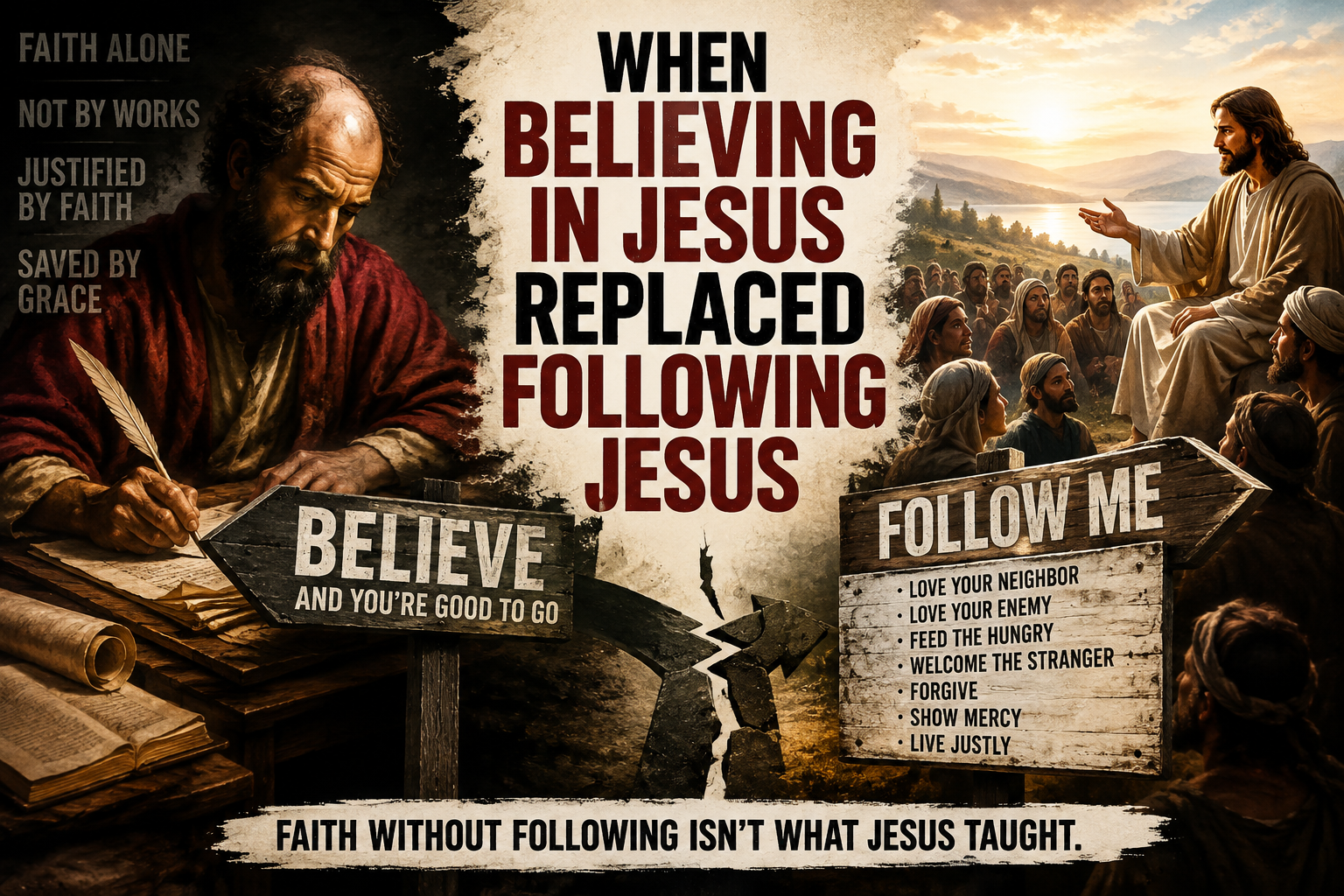
Christians cannot ignore the shift in emphasis from what Jesus actually taught to ideas he never explicitly instructed. Far too often, salvation is presented as simply accepting that Jesus died for your sins or declaring him your Savior, while many of his core teachings are treated as secondary concerns. Yet those teachings may be far more important than doctrines he never explicitly commanded, rather he redirected all worship to God our Father instead.
I grew up attending many denominations of Christian churches, and rarely did I hear sermons focused on surrendering control to God, releasing any attachments we have, or overcoming fear. These themes appear throughout Jesus’ teachings, yet they often receive far less attention than questions of belief and worship.
Why has this shift occurred? Is there a concern that emphasizing Jesus’ teachings on detachment, surrender, and inner transformation would make Christianity sound too similar to Eastern spiritual traditions? If so, these teachings have been unfairly demoted despite being central to Jesus’ message. This is where in my view, the deterioration of his teachings begins for 2 millennia.
It is remarkable that freedom from fear is so rarely emphasized in mainstream churches, despite Jesus repeatedly addressing it in the very Gospels Christians proudly hold in their hands. One must wonder how often these passages are truly reflected upon.
Everyone has fears they must overcome, and Jesus instructed his followers not to be ruled by them. The first step is humility: asking our Father and the Holy Spirit to reveal the fears that shape our lives and to provide the strength to overcome them. Each person’s fears may be different, but everyone has them, and many remain hidden beneath the surface.
Often, these fears are rooted much deeper in our identity than we initially realize. For example, someone may fear moving out of their parent’s home because they may also fear independence itself. Over time, they become increasingly attached to the comfort and familiarity of their life in the nest they grew up in. Once that fear is recognized, it must be faced. With God’s help, they leave the nest and discover that the fear had far less power than they imagined. It is done with the help of the Holy Spirit and God our Father.
Others may fear pursuing a romantic relationship due to insecurities, a fear of openly speaking their minds, changing careers, commitment/marriage, or entering environments where they fear judgment or rejection. These are the kinds of fears that quietly shape our lives and keep us from moving forward. They are not overcome by endlessly analyzing them. They are overcome by confronting them directly, trusting God for strength, and stepping into the unknown despite discomfort.
Ask God and the Holy Spirit to reveal your weaknesses, to guide your path, and give you the courage to move through what subconsciously frightens you. Growth begins where fear ends. Voluntarily surrender the future to God and ask to be guided on the best possible path because there is no way the optimal path can always be known by finite humans.
I have to say that the importance of facing and overcoming fear is rarely stressed in the Christian churches I have attended, despite it being one of Jesus’ most consistent teachings. What do Christians think Jesus meant when he repeatedly taught his followers in several ways that they should not have fears.
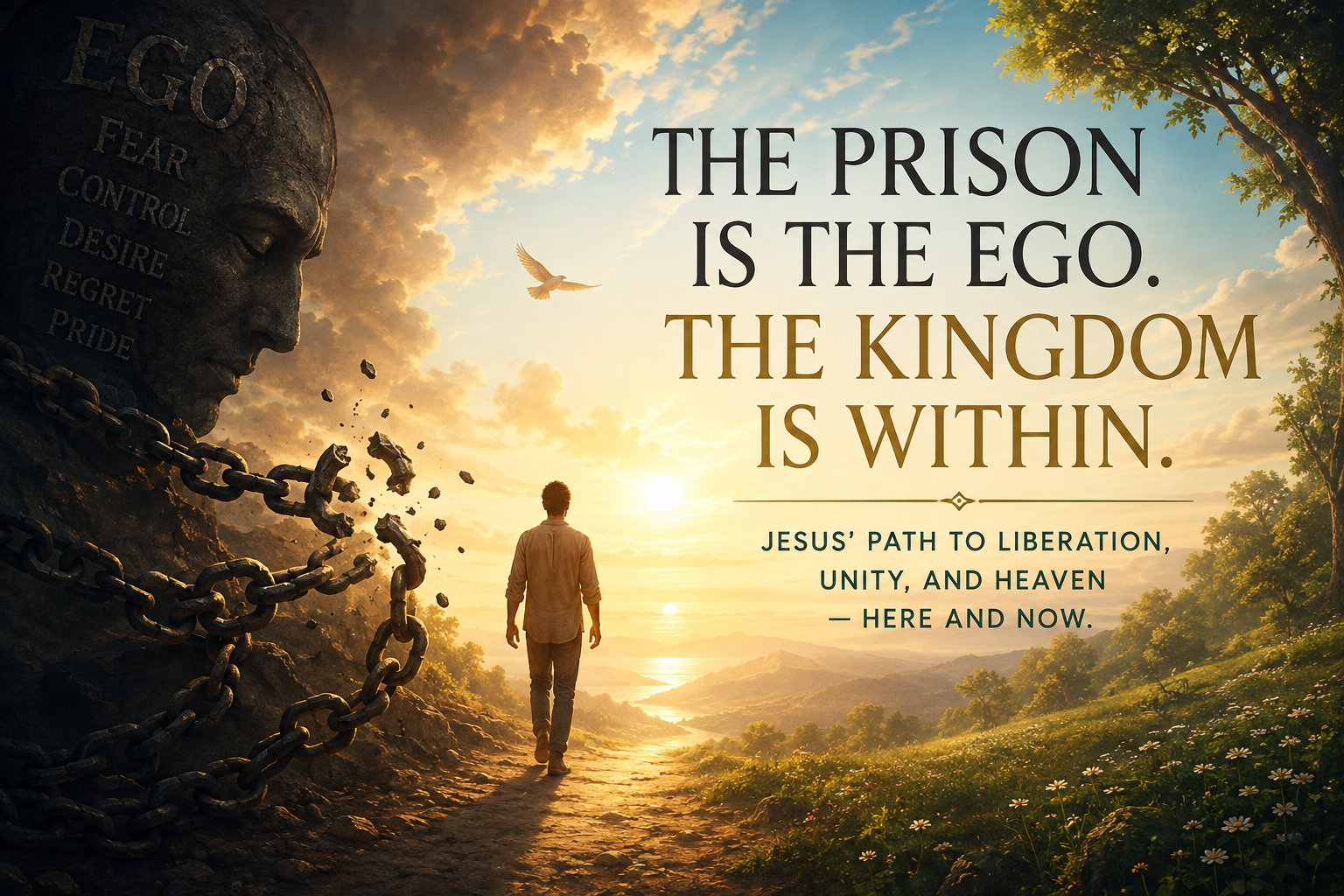
If we truly followed his instruction to stop worrying about tomorrow and place our trust in God, there would be little room for fear. The fears that so often govern our decisions, fear of failure, rejection, change, uncertainty, or independence lose much of their power when we genuinely surrender the future into God’s hands and for the strength to overcome them when reflected on and realized. The reluctance to let go of control and our fears is always a byproduct of our egos, and we can transcend when we are ready to.
“Do not worry about tomorrow, for tomorrow will worry about itself.”


Leave a Reply