
Labels often serve to divide and categorize individuals, creating an artificial sense of separation among us. I refrain from identifying as a Christian, as such classifications can undermine our collective unity. Moreover, labels can cultivate and reinforce cultural prejudices, which our egos are all too prone to embrace.
In an ideal world, we might ease our collective burden by shedding all labels, yet such a task would be profoundly challenging on a global scale. However, on a personal level, it is indeed possible to perceive others as interconnected and unified, transcending the boundaries and distinctions that often divide us. Our egos continually seek differentiation, craving uniqueness and recognition, often leading individuals to adopt new labels in hopes of establishing a distinct identity.
This phenomenon reflects our egos’ resistance to the notion of unity and oneness. Those who fervently cling to unique labels may be criticized or dismissed, but such judgments are misguided. It is not that these individuals are inherently “bad,” but rather that their attachment to identity and separation stands in stark contrast to our higher purpose of recognizing our shared humanity. Their fixation on individuality obstructs the spiritual awakening necessary for realizing our fundamental interconnectedness.
Ultimately, this obsession with labels and the desire for distinction reveal a deeper struggle within our egos. Instead of fostering separation, we must strive to embrace the unity that lies at the heart of our existence.
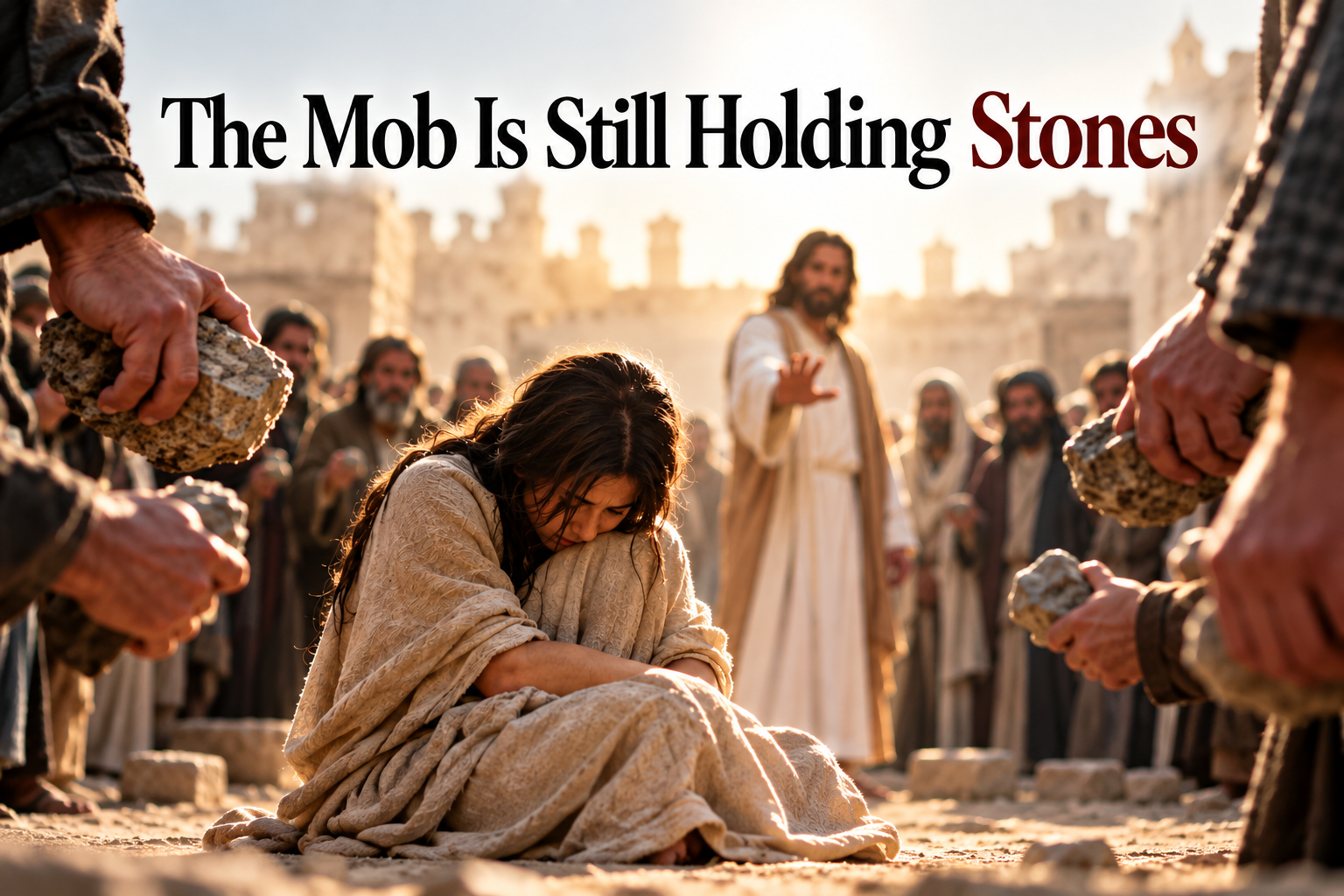
The irony lies in the fact that those who condemn others for not “going to heaven” often betray a profound misunderstanding of their own faith’s teachings. In doing so, they disregard the fundamental instruction to recognize the equality and unity of all individuals, failing to engage with compassion and kindness. Moreover, it is essential to clarify that the concept of ‘heaven’ is not a literal place. Jesus frequently employed symbolism in his teachings, and his reference to the state of spiritual awakening, often referred to as the ‘kingdom,’ has been misconstrued for two millennia as a tangible location. In truth, heaven is an experience that unfolds in our present lives, accessible here and now.
I have little desire to identify as a Christian, for no single religion or faith can claim exclusive rights to the teachings that guide us on the path of spiritual awakening. The insights offered by Jesus and other revered spiritual leaders reflect a shared journey toward enlightenment, and this convergence is no coincidence. The common ground they occupy is where true understanding flourishes.
To assert ownership over these teachings is akin to a corporation attempting to trademark concepts that belong to the public domain. While one may wish for their group to be the sole custodian of such wisdom, these teachings have endured for millennia, with principles found in Buddhism and other traditions preceding Jesus himself. Thus, it is both misguided and absurd to claim that Christianity alone possesses these foundational ideas.
It is far more fruitful to reject all religious labels and embrace the universal truths they embody. By doing so, we tap into a collective methodology that promotes oneness and unity, transcending the need for any specific religious affiliation.
to be succinct:
I reject labels, for they are too small to contain the breadth of a person. Labels serve those unwilling to look beyond surface definitions, reducing a living, breathing individual to a single word or category. They foster misunderstanding, prejudice, and even violence. Need I go on? Labels are divisive, grouping people in ways that deny our shared humanity. Finding out someone is a liberal, conservative, republican, a different religion, etc can automatically create division and repel a person from you, that you would normally harmonize and be compatible with.
I do not even call myself a Christian, though I respect and follow many of its teachings. These teachings are universal, transcending any single faith or tradition. I refuse to be confined by categories, for to do so is to accept boundaries that separate and fracture our collective spirit and unity. We are all human, all united in our connection to the divine. The sooner we embrace others as part of ourselves, the closer we come to a state of unity and oneness. Jesus himself echoes this when he calls us to view others as brothers and sisters, and as children of a common father/creator. We are one. Seeing others as “different” or “separate” is consistently the work of the ego. Release it, and embrace the truth of our unity.
Many Blessings Your Way! Join my mailing list if you want occasional updates.
I do not spam email boxes and will not try to sell you anything!



Leave a Reply