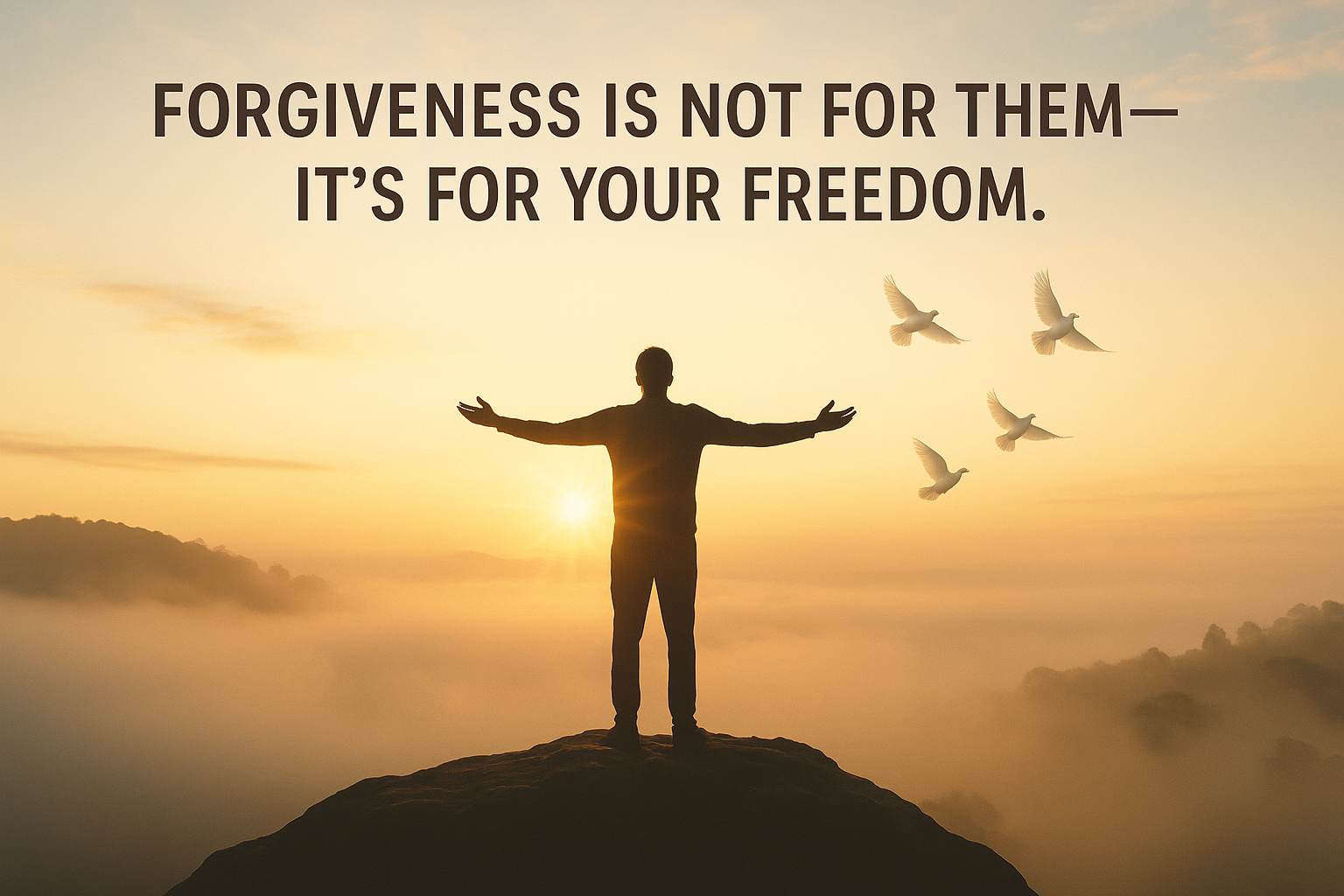
What I’m about to share comes with no conditions—only an open invitation to choose peace over pain. Never walk the path of revenge or retaliation. Forgiveness is not a favor to others; it is a gift you give to yourself. It is medicine for the soul, a balm for the wounds that life inevitably leaves on the heart. Anger, grief, and disappointment do not deserve to take up residence within you—they will only weigh you down. You were not born to carry such burdens.
The universe is simply always testing your capacity to forgive. Never trip up on these hurdles.
The path to a blissful, euphoric life is always within reach. But for many, it is obstructed by the ego—an inner voice that clings to resentment, pride, and the illusion of control. Letting go of anger is the beginning of true liberation.
As Jesus said, “Blessed are the peacemakers.” And as the Buddha wisely warned, “Holding onto anger is like drinking poison and expecting the other person to die.”
Forgiveness is not about who was right or justified—it is about choosing love over bitterness, freedom over bondage. When we forgive, we open ourselves to a deeper form of happiness, one that cannot be shaken by circumstance.
Every soul needs gentleness, and one of the most powerful ways we care for our soul is through the radical act of forgiveness. We’ve all made mistakes, often led by a wounded ego, and we carry those regrets in quiet humility. But healing begins when we stop punishing ourselves—and others—for the pain of the past.
Choose peace. Choose freedom. Choose to forgive.
The Power of Forgiveness and the Death of Ego
Learning to silence the ego and choose the path of peace over retaliation is one of life’s hardest—but most transformative—lessons. I only wish I had learned it sooner, when it could have spared me and others unnecessary pain. I know firsthand that it’s easier said than done. But it is also more powerful than words can express.
When we withhold forgiveness, it is often our ego’s subtle attempt at revenge—a way of clinging to pain in order to punish others. But in doing so, we end up punishing ourselves. What we send out emotionally always finds its way back. Resentment, bitterness, and the refusal to forgive will poison your spirit far more than it ever harms the person you cannot forgive.
Do not give your ego the hollow satisfaction of vengeance. Denying someone forgiveness may feel like power in the moment, but it will ultimately rob you of peace. True strength lies in releasing the grudge, even when it’s undeserved.
While some say you don’t need to voice your forgiveness aloud, I’ve found that telling someone directly—when done sincerely—magnifies its healing power. It’s like pressing fast-forward on inner peace. To tell someone “I forgive you,” even when they haven’t asked for it, is one of the clearest demonstrations of ego death. It’s a spiritual surrender that liberates not only them, but you as well.
Why is this so difficult? Because it demands that we brush our pride aside. It demands that we stop feeding the illusion of superiority or righteousness. But what better way to step fully into the present than to release the grip of the past? Refusing to forgive is, in essence, choosing to live in a memory. Forgiveness is the doorway to the present moment—and to peace.
Let go. Speak peace. And watch how the future softens in your favor.
The Rare and Radical Power of True Forgiveness
Forgiveness is one of the most powerful spiritual shortcuts available to us—and one of the most difficult to practice. That’s precisely why so few people truly embody it, even as they wear crosses around their necks or speak of Jesus’ teachings. Yes, it’s easier said than done. But the reward for genuine forgiveness is nothing short of life-changing.
To forgive authentically, it must come from the heart. If you’re still holding on to resentment, pain, or past memories, then forgiveness has not yet taken root—no matter what words you’ve spoken. True forgiveness means wiping the slate clean. It means releasing the grip of the past and returning fully to the present moment.
Ask the higher Holy Spirit of the universe to help you let go. Ask for guidance to release these emotional attachments. There is no shame in needing help on this path. In fact, surrendering to that divine assistance is a sign of spiritual maturity and humility.
One powerful practice is to place yourself in the other person’s shoes. Imagine what it would feel like to desire forgiveness—to ache for peace—only to be denied it. Practicing this perspective sharpens your empathy and opens your heart further.
And no, forgiveness does not require an apology. You do not need to wait for someone to say “I’m sorry” in order to forgive them. In my own life, I’ve reached out after friendships and relationships fell apart—sometimes caused by the other person’s actions—and offered forgiveness anyway. I let them know that despite the pain, I wish them peace, healing, and happiness.
One of the most powerful moments came when I sent such a message. The recipient, overwhelmed with emotion, broke down in tears. My unexpected forgiveness lifted the burden of guilt they had been carrying for years. In setting them free, I set myself free too.
Never underestimate this truth: what you extend to others always comes back to you. If you give peace, you will receive peace. If you offer forgiveness, you open the door to healing—not only for them, but for yourself.
This is more than advice—it is a sacred practice that can transform your life.
Forgiveness Is the Ultimate Test of Our Humanity
Please understand—life does not randomly throw challenges our way. The moments that test your capacity to forgive, to resist retaliation, are not coincidences. They are intentional. Life, or rather the universe, continuously presents us with situations designed to reveal our growth, to ask us one essential question: Will you choose ego, or will you choose love?
I’ve failed these tests before—as we all have—and I’ve come to see that these are sacred opportunities, not punishments. The most important guidance I can offer is this: the next time life tests you, don’t fail. In the heat of the moment, say to yourself, “I will not fail this test.” Then choose to forgive.
Many people—Christians included—will justify their refusal to forgive because of how deeply someone hurt them. But in doing so, they miss the very essence of Jesus’ teachings. His message was never about conditional love. It was radical, unconditional forgiveness. If you want peace and spiritual awakening, you must live that truth, not just admire it.
Start now. Make a list of those with whom you’ve had a falling out—anyone you’re on bad terms with, even slightly. Send them a brief message: a gesture of peace. Let them know you forgive them for the hurt they caused, acknowledge your own imperfections, and sincerely wish them well. It doesn’t need to be long—just real. Do it quickly. Don’t overthink it.
This simple act aligns you with the natural order of the universe—a universe built on peace, love, and harmony. Refusing to forgive is what disrupts this order, creating inner turmoil and spiritual dissonance. But forgiveness restores it. And in doing so, you restore your rightful connection to the bliss, clarity, and unity that is your birthright.
Even when someone offends you, lashes out, or gets under your skin—remind yourself: they are still one with you. We are all eternally bound as children of the same divine source. In those moments, forgive them in your heart, bless them in your mind, and silently wish them peace.
These aren’t just spiritual practices. They are your liberation. Never pass up an opportunity to forgive—it’s the doorway to freedom.
Ego Ascension Forgiveness, and the Power of Your Thoughts
Your thoughts are not confined to your mind—they are energetic signals sent out into the fabric of the universe. This is something ancient spiritual traditions have understood for thousands of years, and now even modern science is beginning to explore this truth. Your thoughts ripple outward, shaping your reality and influencing the greater collective. This is why it’s vital to stay conscious of what you project.
When someone gets under your skin, bless them instead. Wish them well. The moment you feel resentment arise—whether sparked by a memory or a current offense—take it as a divine cue: forgive, release, and let go. These moments are opportunities, not interruptions.
Ask the Holy Spirit—the divine intelligence that transcends time and ego—to purge you of your resentments. Invite that higher power to remove the emotional attachments that tether you to past wounds. This will allow you to return fully to the present moment, the only place where peace and truth exist.
Every reminder of past hurt is a sacred invitation to purge the memory and detach from the ego’s need to defend itself. If your feelings were hurt, it was your ego that felt the blow—not your true self. Instead of shielding your ego or feeding it, learn to release it. Laugh it off. Forgive those who offend you, because they’ve harmed nothing real. The truth is: we are not our egos. We are all one—united reflections of the greater universe.
It’s critical to return to the actual teachings of Jesus. Contrary to popular emphasis, he never insisted that people worship him. He didn’t present himself as a deity to be idolized, but as a guide to be followed. His message wasn’t “worship me”—it was “follow me.” And one of the most essential paths he outlined was forgiveness.
Tragically, many modern sermons reduce his legacy to simple slogans like “Accept Jesus as your Savior!” or “He died for your sins!”—as if that alone brings about spiritual transformation. Rarely do they emphasize the deeper, practical wisdom Jesus shared: how to live, how to forgive, how to serve, and how to awaken. One of his most overlooked yet powerful declarations was, “The Son of Man came not to be served, but to serve.” (Mark 10:45) These are not the words of someone seeking worship—but of a teacher embodying divine humility.
Spiritual enlightenment and ego ascension, the state of unity with the universe and inner peace—is available to all. Jesus didn’t keep it to himself; he showed us the path to it. And forgiveness is one of its most vital keys. Not a one-time act, but a daily practice. A release. A return to the divine truth that we are all one.
The Greatest Acts of Forgiveness Come When They Feel Impossible
In closing, I’ve come to believe that the moments when forgiveness feels most impossible are precisely when it is most essential. These are the crucibles where true transformation begins. For me, it was forgiving an ex who betrayed my trust through infidelity. For someone close to me, it was finding the quiet courage to forgive the father who abandoned her as an infant, leaving her mother to raise her alone.
These are not simple acts—they demand more of us than we often feel capable of giving. And yet, it is in those exact moments—when every fiber of your being resists—that the most powerful opportunities for healing arise. Forgiveness in its purest form is not about inviting someone back into your life, nor is it about excusing or forgetting the pain they caused. It does not require you to break the healthy boundaries you’ve established or to rekindle past relationships.
Forgiveness is about making peace. It is an internal liberation that can be expressed outwardly—but it is never dependent on continued closeness or reconciliation. No current partner should be expected to welcome a harmful ex back into your world. That’s not what forgiveness demands. What it does demand is the release of the burden you’ve been carrying, the courage to tell someone—even if only once—that you’ve let go, that you wish them peace, and that you’re choosing healing over hate.
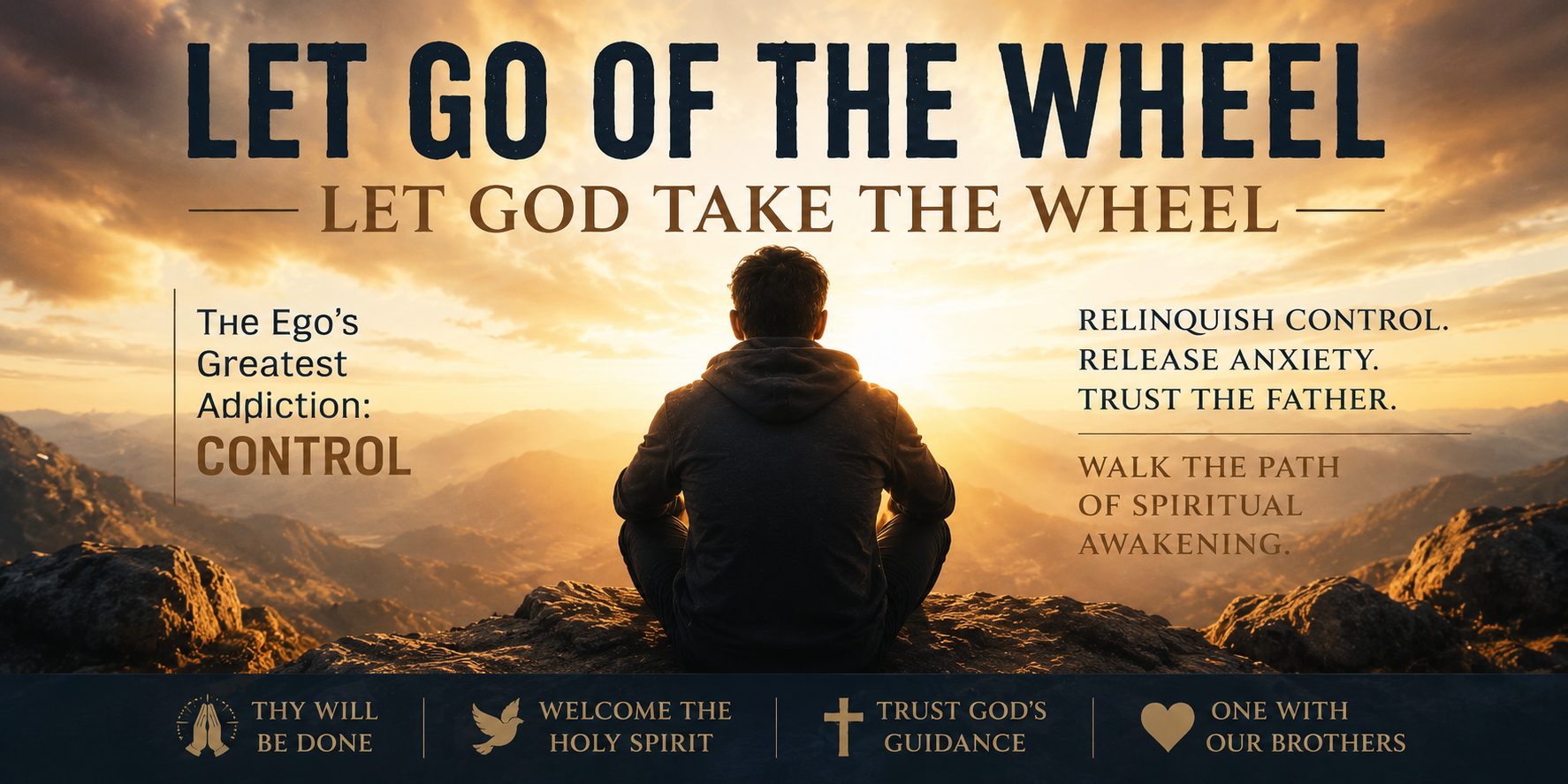
To do this is to surrender ego and invite grace into the driver’s seat. It is one of the most profound acts of humility and strength a person can perform. And the rewards are immense—inner peace, emotional clarity, spiritual maturity.
It’s deeply unfortunate that many modern Christian churches gloss over this essential teaching of Jesus. To sideline forgiveness is to miss the very heart of His message. Christ didn’t just talk about love and forgiveness—He embodied them. And if we are to truly follow Him, we must do the same.


Many Blessings Your Way! Join my mailing list if you want occasional updates.
I do not spam email boxes and will not try to sell you anything!


Leave a Reply