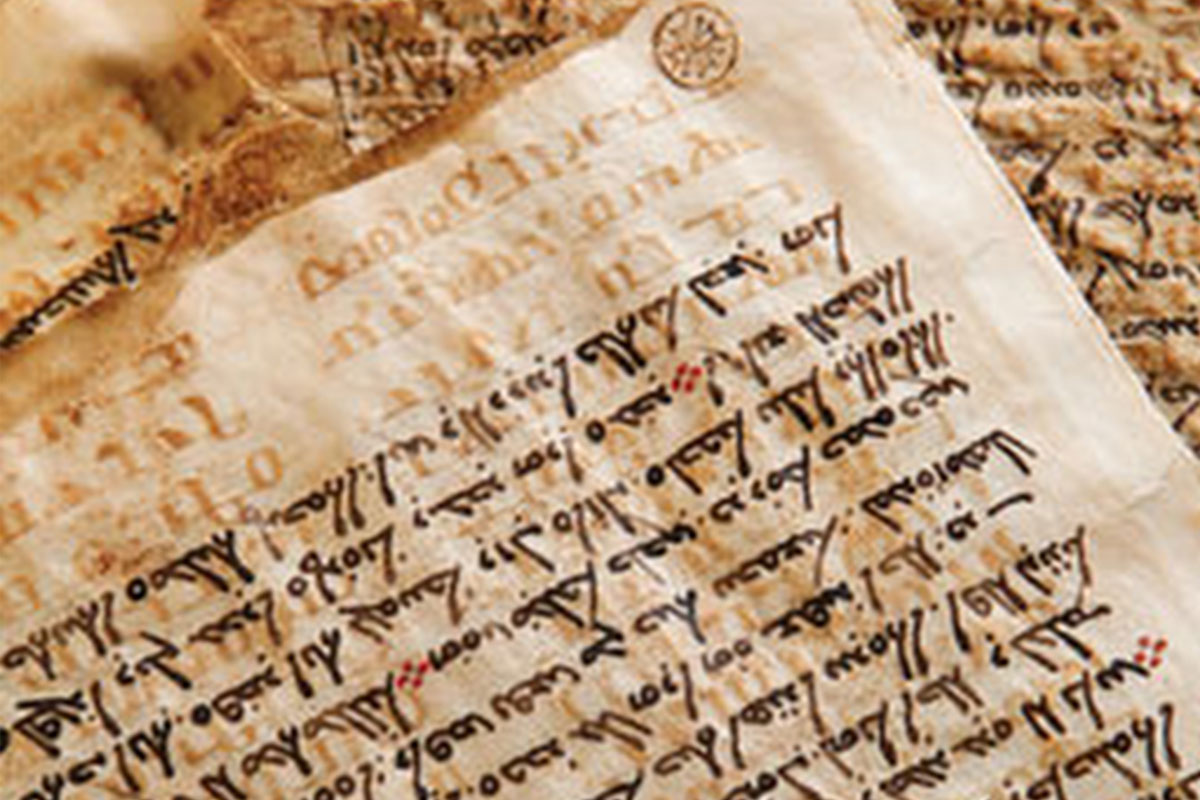
For those who have an unflinching loyalty and commitment to the idea that the bible is a perfect book without any problems or issues in translations of texts over the course of 2000 years, here are some examples to help relieve you of the idea that the bible is a perfect piece of text. The bible was privy and subject to human error and influence of people with agendas, which is to be expected from humanity in general. The Aramaic text actually do a better job communicating some of the core ideas than the Greek text in many cases.
Matthew 5:3 – The Beatitudes:
Greek Text: “Blessed are the poor in spirit, for theirs is the kingdom of heaven.”
Peshitta (Aramaic): “Blessed are those who are poor in pride, for theirs is the kingdom of heaven.”
Difference: The Greek version uses “poor in spirit,” while the Aramaic emphasizes “poor in pride.” This slight variation can affect the interpretation of humility and spiritual poverty.
Matthew 19:24 – The Camel and the Needle:
Greek Text: “It is easier for a camel to go through the eye of a needle than for a rich person to enter the kingdom of God.”
Peshitta (Aramaic): “It is easier for a rope to go through the eye of a needle than for a rich person to enter the kingdom of God.”
Difference: The word for “camel” (gamal) and “rope” (gamla) are similar in Aramaic. The Peshitta uses “rope,” which might make more sense contextually, though it changes the imagery.
John 1:1 – The Word:
Greek Text: “In the beginning was the Word, and the Word was with God, and the Word was God.”
Peshitta (Aramaic): “In the beginning was the Miltha, and the Miltha was with God, and God was the Miltha.”
Difference: The term “Miltha” can mean “Word,” “Manifestation,” or “Substance” in Aramaic. This term carries a more nuanced meaning than the Greek “Logos,” potentially enriching the theological implications.
Matthew 27:46 – Jesus’ Cry on the Cross:
Greek Text: “Eli, Eli, lama sabachthani?” which is translated, “My God, my God, why have you forsaken me?”
Peshitta (Aramaic): “Eli, Eli, lemana shabakthani?” which means, “My God, my God, for this I was spared.”
Difference: The Aramaic can be interpreted differently, potentially implying Jesus’ fulfillment of his mission rather than an expression of abandonment.
Romans 5:7-8 – Christ’s Sacrifice:
Greek Text: “Very rarely will anyone die for a righteous person, though for a good person someone might possibly dare to die. But God demonstrates his own love for us in this: While we were still sinners, Christ died for us.”
Peshitta (Aramaic): “For rarely does one die for the sake of the wicked; however, for the sake of the good, perhaps one might dare to die. But God demonstrates His love for us in this: While we were yet sinners, Christ died for us.”
Difference: The Peshitta contrasts dying for the “wicked” versus the “good,” whereas the Greek contrasts the “righteous” and the “good,” affecting the interpretation of sacrifice and moral worth.
These examples highlight how linguistic nuances and cultural context can influence the understanding and interpretation of biblical texts. The Peshitta offers valuable insights that complement the Greek New Testament, providing a richer and sometimes differing perspective on early Christian teachings.
Feel free to subscribe to my new Substack! You’ll also find my latest writings published there if you prefer it over WordPress, along with refreshed and updated versions of some of my earlier work, thoughtfully adapted for the new platform. I’d love to have you join me there!
Alternatively, you can subscribe to my traditional email mailing list below! No marketing or selling of emails will occur, it’s just for updates. I do not spam email boxes and will not try to sell you anything! Many blessings your way!




Leave a Reply