
In the exploration of spiritual and creative realms, the concept of God emerges as a profound symbol of creativity and artistry. This divine essence, often perceived as the ultimate source of inspiration, resonates through the teachings of various faith traditions.
The Holy Spirit, regarded as both a source and a muse, becomes integral in this narrative. When tapped into successfully, it serves as a conduit for profound insights and creative revelations. This spiritual connection underscores the belief in a higher power that inspires and guides human endeavors towards intellectual breakthroughs and artistic expression.
Human creativity, however, is not solely reliant on spiritual inspiration. It also emanates from the intellect and ego, which drive intellectual pursuits and innovative thinking. These facets of human consciousness contribute to groundbreaking discoveries and advancements in various fields.
Yet, at its pinnacle, creativity transcends mere intellect. It becomes a manifestation of the universe’s creative essence, a harmonious convergence of spiritual inspiration and human ingenuity. This synergy fuels moments of creative brilliance, where individuals tap into a deeper, universal reservoir of creativity.
In essence, the interplay between divine inspiration, human intellect, and creative expression illustrates a profound connection between the spiritual and material worlds. It invites contemplation on the nature of creativity, the role of spirituality in human endeavor, and the quest for deeper meaning in artistic pursuits.
As we navigate these intersections, we are reminded of the timeless quest to harness and manifest the creative essence of the universe—an endeavor that bridges the divine and human realms in the pursuit of inspiration and innovation.
In the realm of human understanding, the divine is often seen as a beacon of love, creativity, imagination, unification, empathy, and kindness. These qualities, attributed to God, serve as pillars of spiritual and moral guidance across cultures and beliefs.
Conversely, the human ego represents a complex interplay of characteristics. It fuels technical innovations, intellectual breakthroughs, and progress, yet it also harbors darker tendencies: war, tribalism, conflict, individualism, competition, materialism, and selfishness. These traits, while integral to human advancement, often challenge the virtues associated with the divine.
The concept of sin emerges from actions rooted in self-centered and egocentric thinking, devoid of consideration and thoughtfulness towards others. It stands as a stark contrast to the divine virtues of empathy and kindness, highlighting the ethical dilemmas inherent in human behavior.
In theological discourse, the devil is not merely a monstrous figure but a symbolic representation of the human ego. Evil, consequently, embodies the collective nature of egocentric thinking—a force that perpetuates discord, suffering, and moral decay in societies. Sin can be defined as any actions that maintain that discord and disorder.
Understanding this dichotomy offers profound insights into human nature and the ongoing quest for spiritual and moral equilibrium. As we navigate these realms, grappling with the tensions between divine virtues and human frailties, we confront essential questions about ethics, empathy, and the pursuit of a harmonious existence.
In this nuanced exploration, the narrative unfolds beyond theological doctrine, inviting contemplation on the complexities of human behavior and the perpetual quest for spiritual enlightenment and moral rectitude.
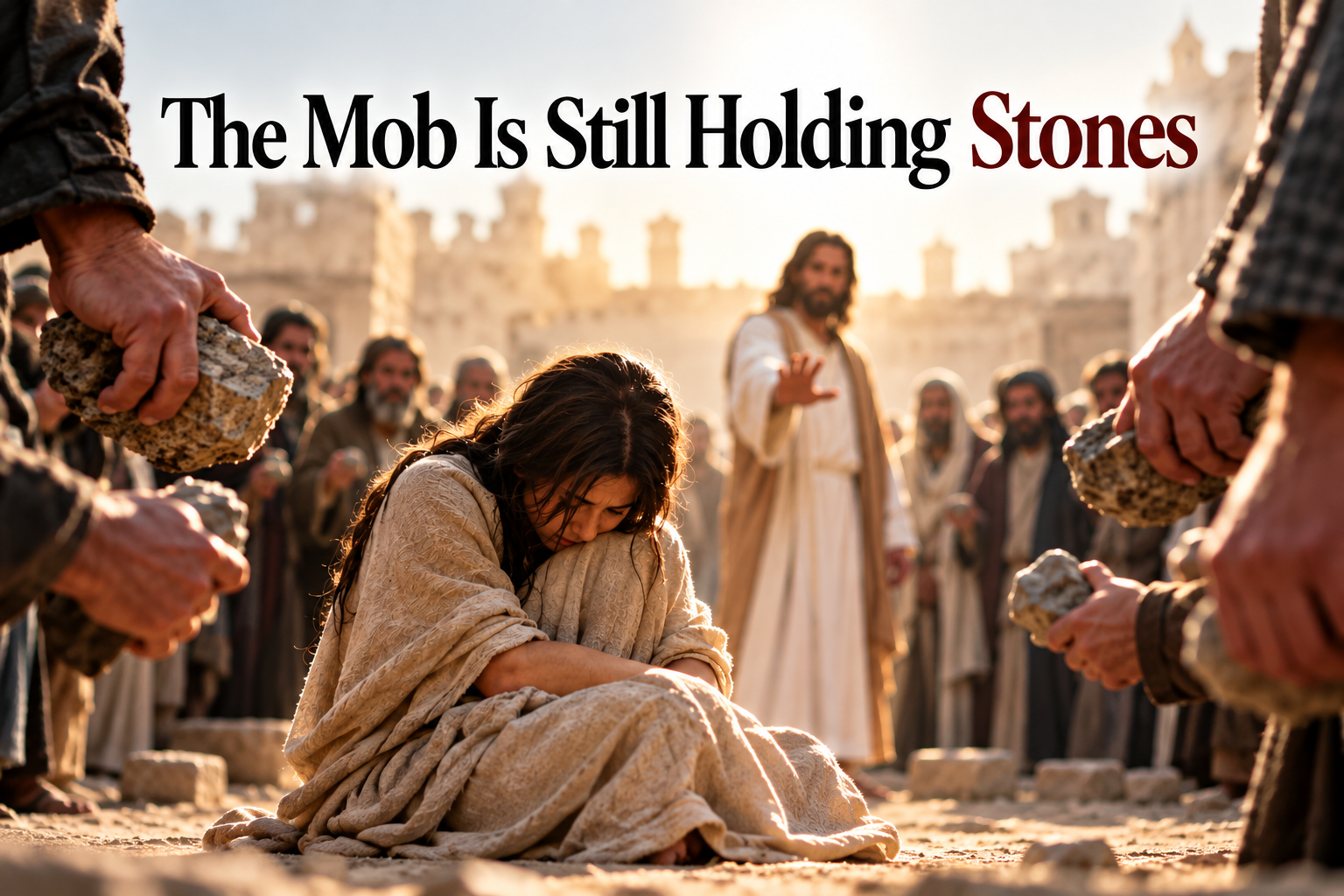
Additionally, Sin is a loaded term that merits reconsideration or definitive redefinition to accurately reflect its meaning. Any action characterized by selfishness, inconsideration, harm, counterproductivity, disruption of peace, lack of cooperation, or division can be appropriately labeled as sinful. Harmony and order are inherent to the universe, and deviating from these principles contradicts the teachings of Jesus, who advocated for unity and collective well-being.
Our natural state should transcend ego-driven impulses, prioritizing mindfulness and consideration for others within the broader community. Letting go of the need for absolute control over one’s desires is essential. Constant reference to the Bible, particularly the Old Testament, to determine what counts as sinful behavior is unnecessary when one earnestly acts with consciousness, selflessness, and awareness of the greater good. Additionally, many directives in the Old Testament, such as prohibitions against wearing mixed fabrics, are irrelevant in contemporary moral frameworks. Moreover, certain behaviors endorsed in the Old Testament conflict with the compassionate teachings of Jesus.
As a guiding principle, adhering to the teachings of Jesus ensures actions are aligned with promoting peace and unity among humanity.”
Many Blessings Your Way! Join my mailing list if you want occasional updates.
I do not spam email boxes and will not try to sell you anything!



Leave a Reply