
Below you can find examples to not only see if you’re intentionally or engaging in judgement without even knowing it.
- One of the most effective ways to test and refine your ability to withhold judgment is by placing yourself in a space where it typically arises: among a group of multiple panhandlers. Enter such a space with a generous sum of cash in hand, not to discriminate but to observe yourself. If you begin evaluating who seems more “deserving” of help, you’re engaging in judgment. A person truly free from judgment sees all people—regardless of appearance, behavior, or demeanor—as equally worthy. This exercise not only reveals how deeply judgment is embedded in your thinking, but also confronts your attachment to wealth and control. This is a great exercise because you’re killing two birds with one stone on your path to enlightenment. When you successfully eliminate judgement from your habits and behavior, you’ve equally distributed money to all your brothers and sisters in the group suffering. Give it a shot, go somewhere without fear to help them and observe yourself.
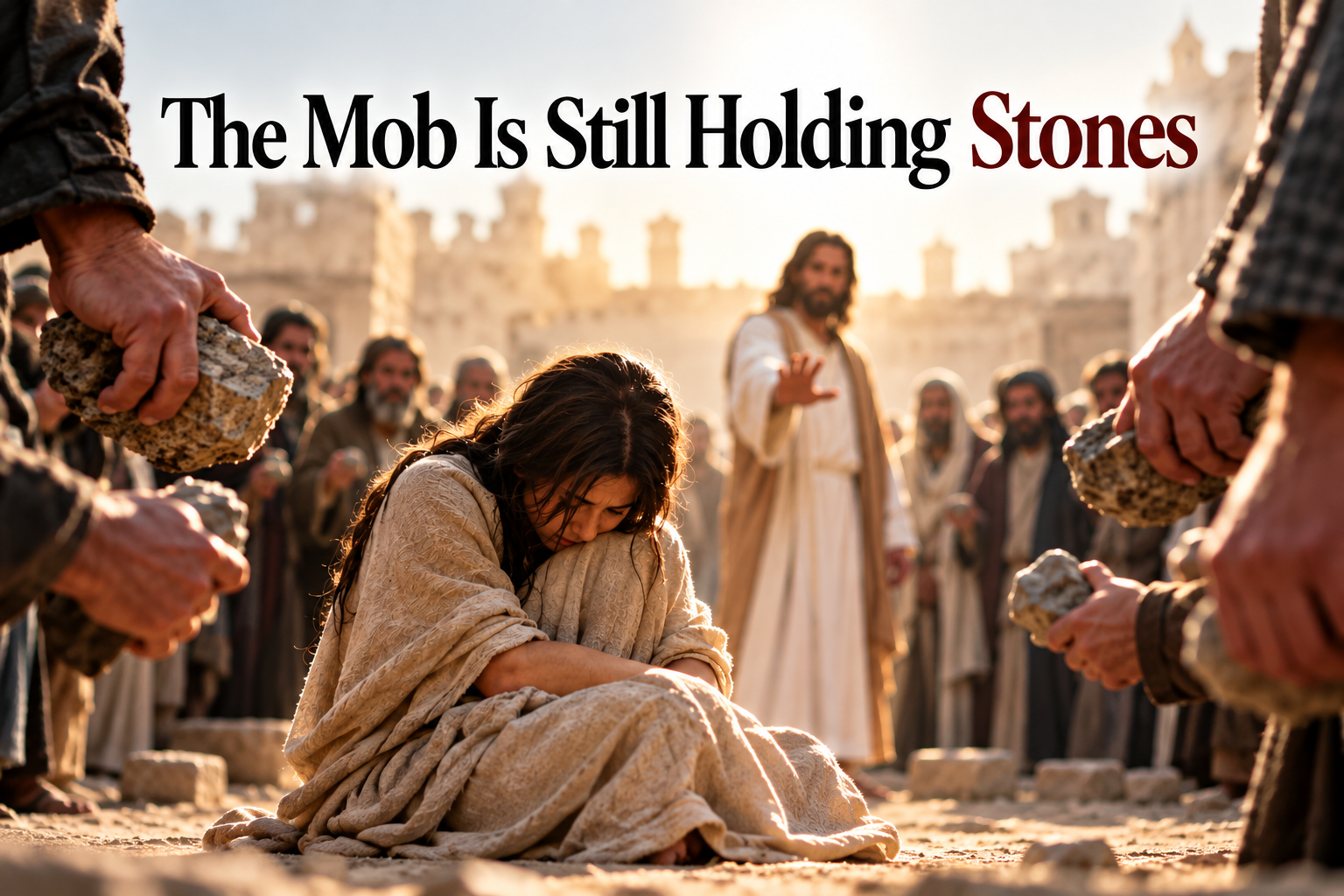
- Another powerful exercise to become aware of how instinctive and automatic judgment can be is to observe your immediate reaction when you see someone who is unemployed or has hit rock bottom in life. If your first thought is that they must be lazy and should not be helped, without considering any other possible factors contributing to their situation, you’ve already made a snap judgment. You’ve drawn a conclusion about their character without any real understanding or context, their background and full story. It’s nice to assume they are lazy and undeserving of any help but this not only violates Jesus’ teachings not to judge and encourages his followers to help the helpless and the suffering. What’s more troubling is when that single judgment becomes the foundation for an entire argument against public assistance—believing that anyone who is unemployed must be undeserving or irresponsible. This kind of thinking overlooks the countless reasons someone might be out of work: health issues, family obligations, systemic barriers, or simply bad luck. Judgment is easy. It’s immediate, effortless, and often rooted in ego and a sense of superiority without a moment being taken to wonder how they could have hit rock bottom. But the alternative—empathy—requires awareness, compassion, and humility. Instead of jumping to conclusions, we can choose to see people as fellow human beings facing temporary hardships. That shift from judgment to empathy changes everything. Put yourself in their shoes. Like Jesus said, in his Golden Rule, do unto others as you would have the do unto you. You don’t even need to be a Christian to follow this universal law of empathy. This law is found in just about every major religion, but as I said, it can be followed by secular folks as well.
I once had a revealing conversation with an aging veteran living under Section 8 housing who was grateful for government support—until the conversation shifted. He quickly condemned other assistance programs, claiming they were exploited by “the Blacks,” as he put it. In his mind, white recipients were deserving while Black recipients were not. It was a clear case of ego-driven separation, a failure to see all humans as brothers/sisters, neighbors, and equals. His worldview, shaped by superiority and division, betrays the very teachings of Jesus, who insisted we are all one.
If we truly wish to be a Christian nation aligned with the higher order of the universe, we must eliminate judgment, segregation, and societal hierarchies. Our society still clings to invisible caste systems, despite the supposed civil rights victories in prior decades. The divisions may be more subtle now, but they remain—deeply woven into our systems and psyches.
To uproot this, we must retrain the mind. Repeat mantras that affirm our unity. Meditate on the literal truth that we are all one. This spiritual practice dissolves the ego, the root of all judgment and superiority. It’s a foundational teaching not just of Jesus, but of every legitimate spiritual tradition.
This truth cannot coexist with swastikas, MAGA hats, or any symbol that glorifies division and supremacy. Those who wear such symbols declare openly that they believe some lives are more valuable than others. That belief system is fundamentally incompatible with the heart of Christianity and with the universal love Jesus taught—a love that makes no exceptions.
Many Blessings Your Way! Join my mailing list if you want occasional updates.
I do not spam email boxes and will not try to sell you anything!



Leave a Reply